

The Art of Becoming
Reflections on Relationships, Healing, and Change
The Work of Becoming Yourself
There comes a point when understanding your patterns is no longer enough. The work of becoming yourself begins when you see clearly, release the roles and stories that require self-abandonment, and begin building a life rooted in truth, responsibility, and conscious choice.

The Expectations We Place on Ourselves
Many of the expectations that shape our lives don’t come from other people—they come from the quiet voice inside us that says we should be further along, happier, more successful, or somehow different than we are. This article explores where those expectations come from, how they quietly influence our self-worth, and what becomes possible when we replace self-judgment with self-awareness, compassion, and a life built around our own values instead of someone else’s standards.
Understanding Expectations Before They Cost You a Relationship
Many relationships don’t end because people stop caring—they begin to unravel because two people are living by completely different, unspoken expectations. This article explores how misunderstood expectations, assumptions, and invisible rules create conflict, why understanding matters more than agreement, and how honest conversations can strengthen relationships before disappointment quietly turns into distance.

When Expectations Go Unexamined
Unmet expectations have a way of quietly shaping our relationships, often long before we realize what’s happening. We assume others know what we need, expect them to think like we do, or hold ourselves to impossible standards without ever questioning where those expectations came from. This article explores how unseen expectations create disappointment, resentment, and distance—and why becoming aware of them is the first step toward healthier relationships and greater peace.
The Art of Discernment
We’re surrounded by opinions, algorithms, and endless pressure to choose a side. But what if wisdom isn’t found in certainty? What if the real skill is learning to stay curious, think for yourself, and cultivate discernment? This essay explores why becoming isn’t about having all the answers—it’s about learning how to recognize what rings true.

What Happens When the Story You Were Given Falls Apart?
What happens when the story you’ve lived by no longer holds? Whether it’s a family secret, a betrayal, a divorce, or a truth that changes everything, there comes a moment when the narrative you’ve relied on begins to unravel. Maybe becoming yourself isn’t about preserving the story you were given. Maybe it’s about discovering who you are after it falls apart.


You Were Never Meant to Fit In
Have you spent your life wondering why you feel different from everyone else? For years, I believed something was wrong with me because I never quite fit in. What I’ve discovered is that the goal was never fitting in—it was finding the courage to become fully myself. If you’ve always felt like the outsider, this is for you.
The Rhythm I Didn’t Know I Was Missing
For years, I thought I had a well-regulated nervous system. Then I came back to Washington—not as a visitor, but as someone willing to live here for a season. Somewhere between driving the speed limit, lingering over coffee, and letting ordinary days unfold, I realized something unexpected: the places we live have a rhythm, and whether we realize it or not, our bodies often begin to move to that rhythm. This is a reflection on place, belonging, midlife, and the quiet invitation to slow down.

The Greatest Betrayal May Be the One We Commit Against Ourselves
Why do so many people stay in friendships that no longer feel healthy? This essay explores the hidden cost of self-betrayal, why we ignore our own truth to preserve relationships, and how honoring yourself can become the foundation for healthier, more authentic friendships.

When the Reason You Became Friends No Longer Exists
Why do some friendships stop feeling easy, even when nothing bad happened? This essay explores why friendships naturally change over time, how shared circumstances differ from shared values, and the thoughtful questions that can help you understand whether a friendship is still growing or has simply completed its season.

What Is the Purpose of Friendship?
What is the purpose of friendship? Most of us rarely stop to evaluate the relationships that shape our lives. This reflective essay explores how friendships evolve, why it’s healthy to periodically evaluate them, and the thoughtful questions that can help you cultivate relationships that support the person you’re becoming.
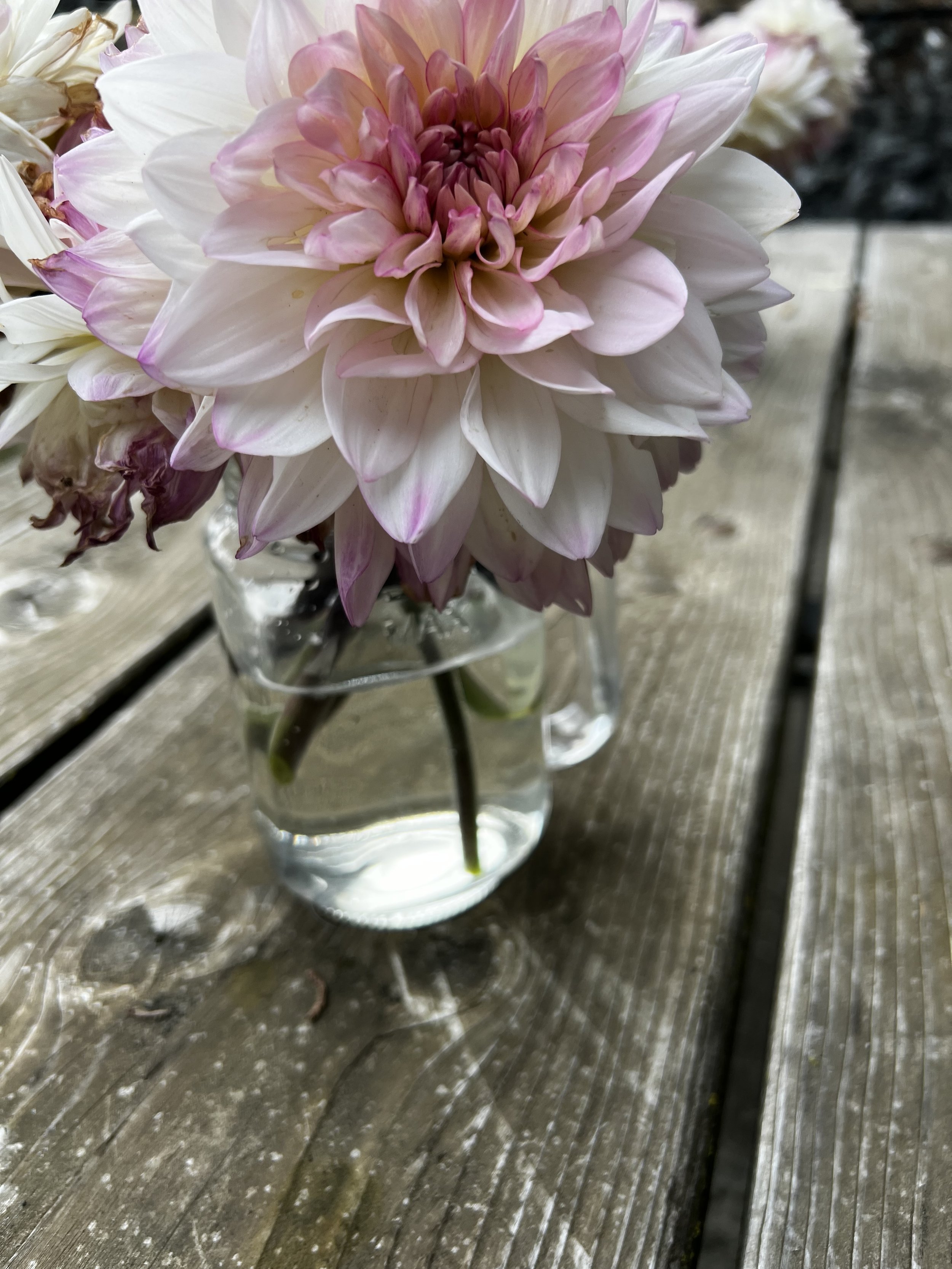
The Anniversary of an Ending
The anniversaries of life’s endings often invite us to look backward—but what if they also reveal how far we’ve come? Discover how reflecting on the end of a friendship can bring unexpected gratitude, greater self-awareness, and a deeper appreciation for the person you’re becoming.
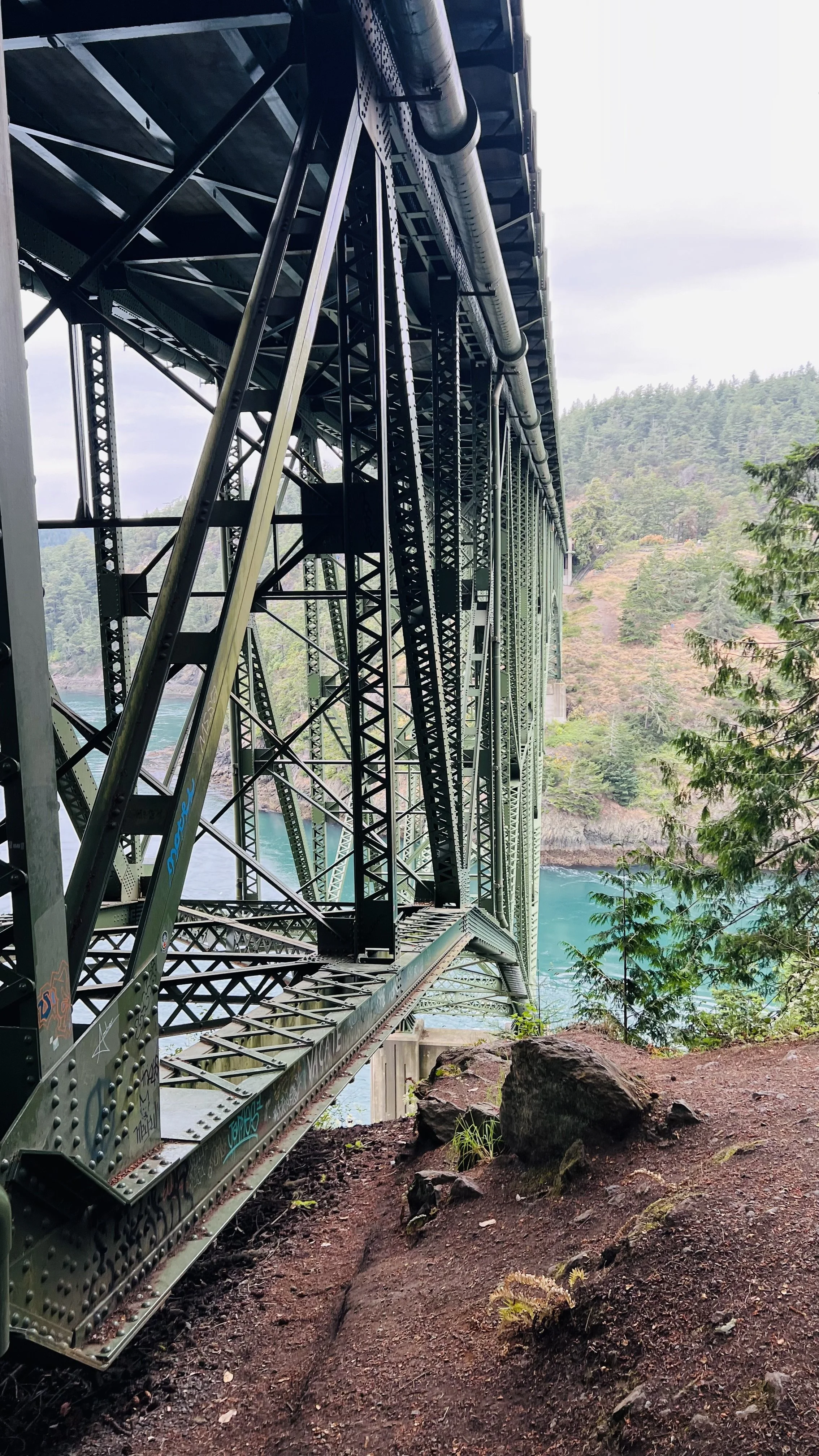
Sometimes You Don’t Realize a Relationship Has Changed Until You Step Away
Why is it so hard to recognize an unhealthy or no-longer-aligned relationship while you’re still in it? This article explores how familiarity shapes our perspective, why clarity often comes with distance, and how stepping away can help us better understand the relationships that shape our lives.

The Friendship I Didn’t Miss
Have you ever ended a long-term friendship and felt relief instead of heartbreak? This article explores why it’s normal to outgrow certain relationships, how to recognize when a friendship has reached its natural end, and why letting go can sometimes be an important part of becoming more fully yourself.

Life Is About Adaptation: A Lesson I Learned From a 90-Year-Old Woman
hirty years ago, a 90-year-old woman named Rose shared a simple piece of wisdom that has stayed with me ever since: "Life is about adaptation." In this article, I explore what Rose taught me about resilience, psychological flexibility, Taoist philosophy, life transitions, and how learning to adapt to change may be one of the most important skills for emotional well-being and personal growth.

The Life You Want Is Usually Hidden Inside the Things You Avoid
Why do we stay stuck even when we want change? Discover how avoidance, fear of discomfort, and resistance to growth can keep you from the life you want—and how the Art of Becoming begins when you're willing to face what you've been avoiding.
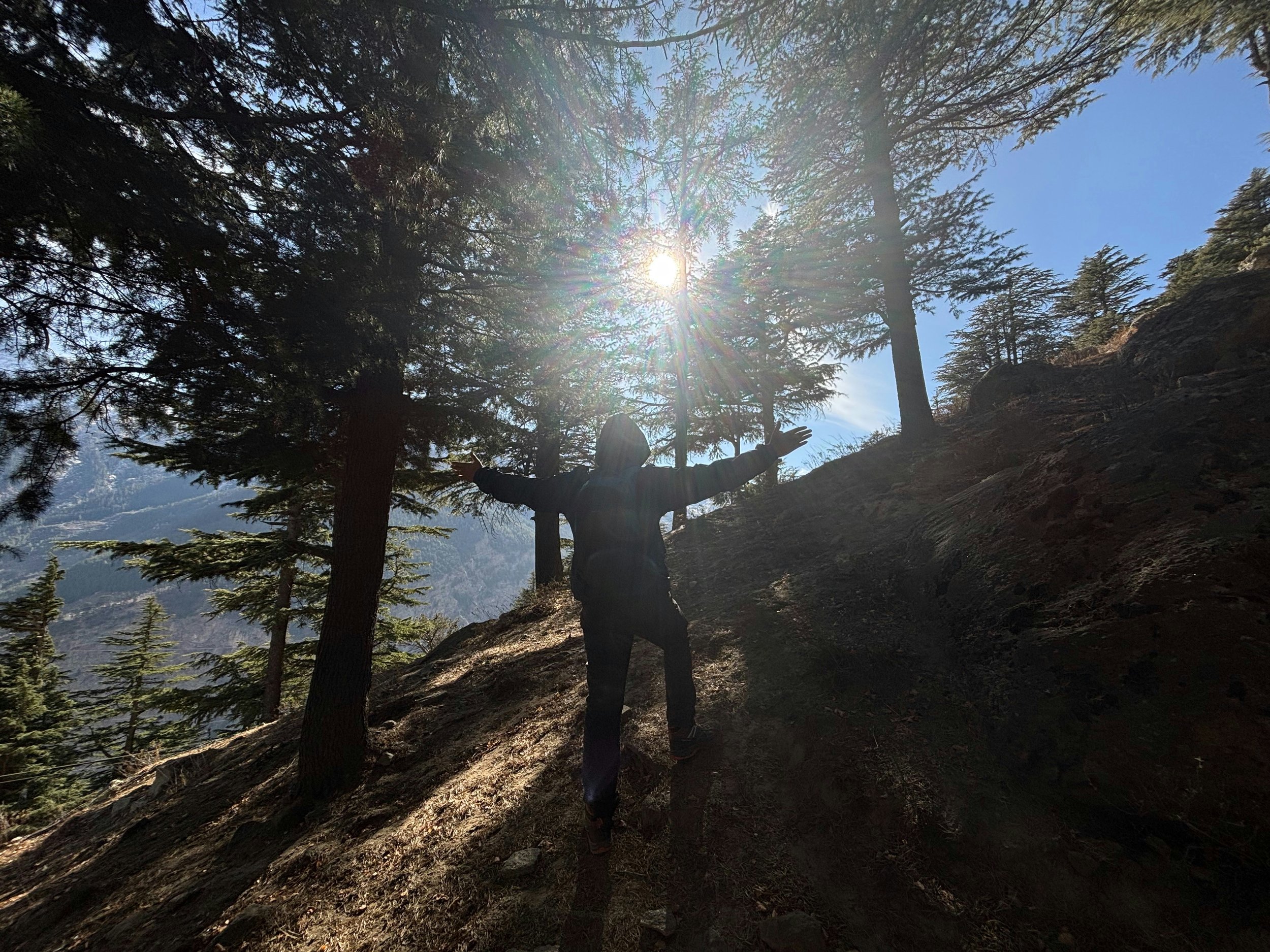
The Art of Becoming: What It Really Means to Become More Fully Yourself
Most people spend years trying to improve themselves, fix themselves, or figure themselves out. But what if growth isn't about becoming someone new? What if it's about becoming more fully who you've always been? In this article, we explore the art of becoming, the courage it takes to let go of old identities, and how life invites us to grow into ourselves again and again.

How to Repair a Relationship After You've Made a Mistake
Most people think a sincere apology repairs a relationship. Often, it takes more than that. Learn how to understand impact, take responsibility without shame, rebuild trust, and create meaningful repair after conflict or hurt feelings.

Why Do I Beat Myself Up Every Time I Make a Mistake?
Why do some mistakes linger for days while others seem impossible to let go? If you find yourself replaying conversations, obsessing over feedback, or beating yourself up after getting something wrong, you may be confusing accountability with shame. Learn how to take responsibility, repair what needs repairing, and grow without losing yourself in self-criticism.